
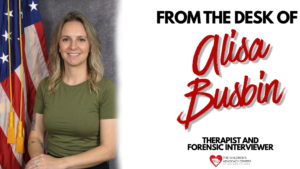
From the Desk of The Therapist
Helping others has always been more than a career choice for me, it is a passion and a calling. I recently graduated from the University of West Alabama with a Master of Science in Clinical Mental Health Counseling, and I have been fortunate to gain experiences that have shaped the way I approach healing and support.
Before becoming a counselor, I worked with nonprofit veteran organizations to help spread awareness and educate communities about veteran suicide prevention. Through that work, I witnessed the importance of connection, education, and compassionate support. Those experiences reinforced something I have come to believe deeply; people heal best when they feel seen, heard, and supported.
During my graduate training, I completed internships at Impact Recovery Center and with the Alabama Department of Rehabilitation Services in the Traumatic Brain Injury (TBI) Program. These experiences taught me that trauma affects each person differently and that its impact extends beyond emotional pain. Trauma can influence physical health, relationships, thoughts, behaviors, and a person’s overall sense of safety and well-being. Working with individuals facing a variety of challenges expanded my understanding of the resilience people possess and the importance of meeting each person where they are in their healing journey.
Today, as a counselor at the Children’s Advocacy Center, I have the privilege of working with children and families who have experienced trauma. I utilize Trauma-Focused Cognitive Behavioral Therapy (TF-CBT), an evidence-based approach that helps children process difficult experiences, develop healthy coping skills, and rebuild a sense of safety and hope. Equally important, TF-CBT involves non-offending caregivers in the healing process because children do not heal in isolation.
One thing that I enjoy most about my work is partnering with families. I enjoy helping parents and caregivers better understand trauma and strengthen family relationships along the way. While the work we do is often difficult, it is also incredibly meaningful. Healing is not always linear, and progress may come in small steps, but watching children regain confidence, families reconnect, and hope begin to replace fear makes every challenge worthwhile.
I know that the work I do is hard. There are difficult conversations, painful stories, and moments that require patience and perseverance. Yet the growth and healing I witness in my clients and their families continue to inspire me.
Seeing a child smile again, hearing a parent express newfound understanding, or watching a family celebrate progress remind me why I chose this profession.
My goal is simple: to provide a safe, compassionate space where children and caregivers can begin to heal and discover that their experiences do not define them. I believe that with support, understanding, and evidence-based care, healing is possible. It is an honor to walk alongside clients and caregivers as they take those courageous steps forward. The work may be hard, but seeing children and families grow, heal, and rediscover hope makes it more than worth it.